
Project Category
Educational Design
Print Design
Publication Design
Intro
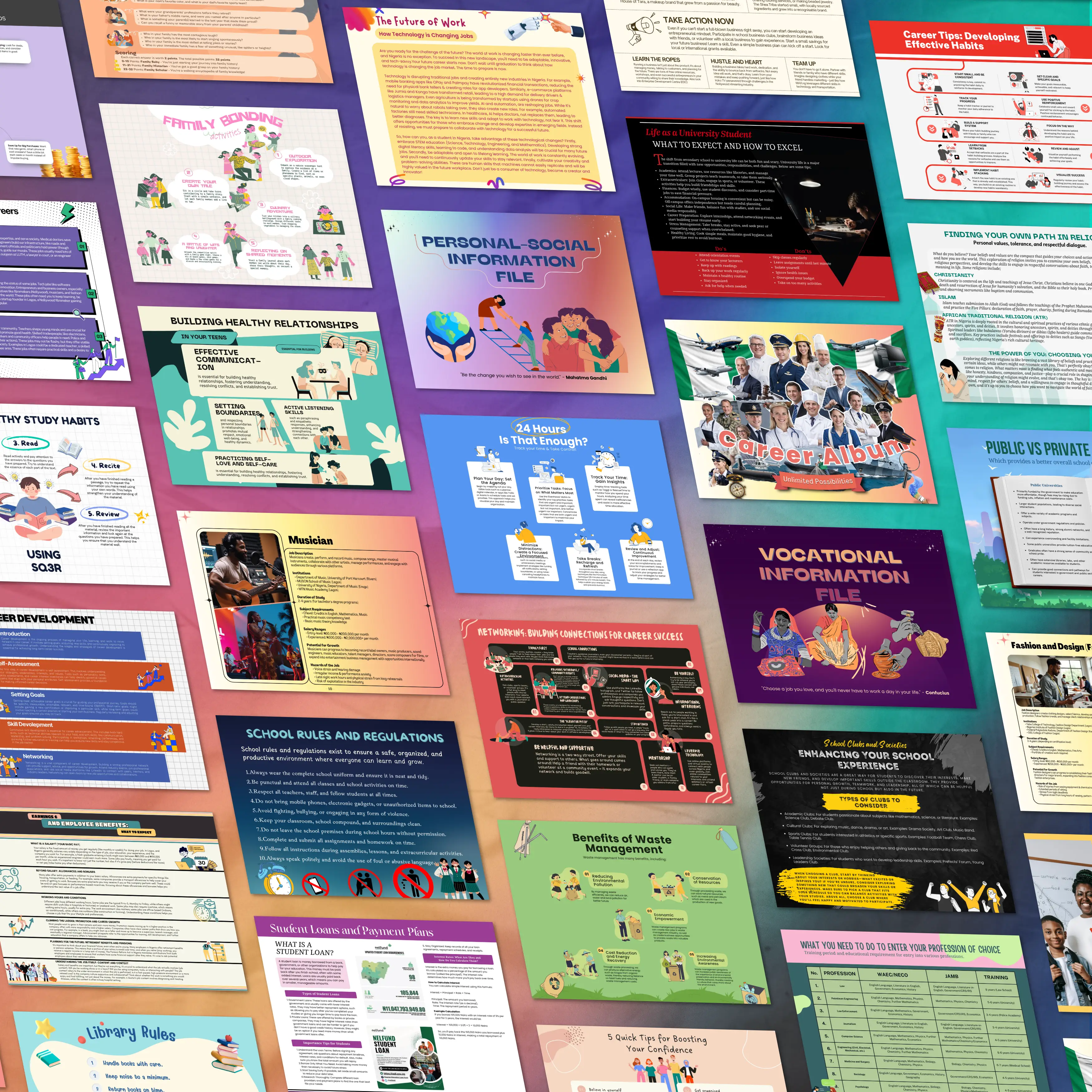
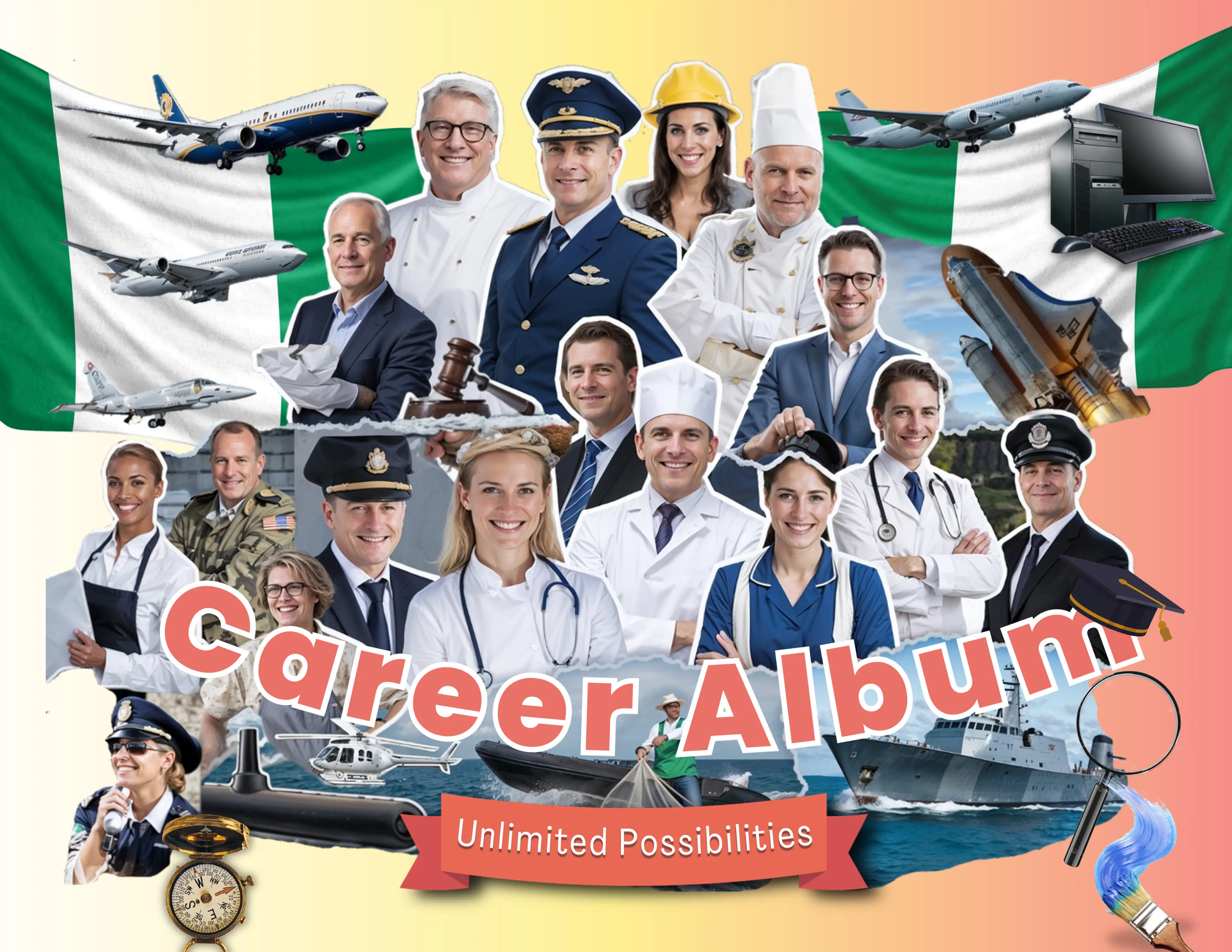
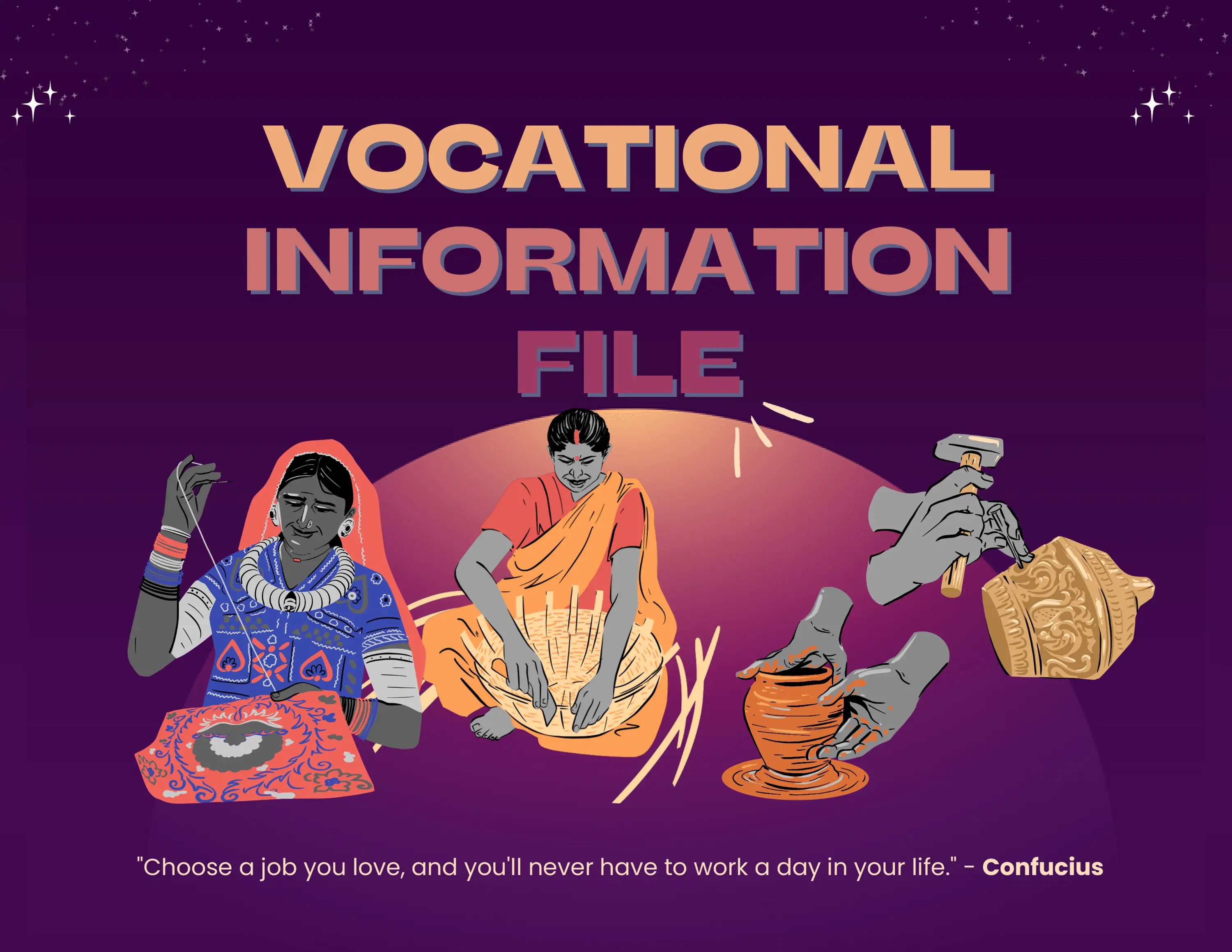
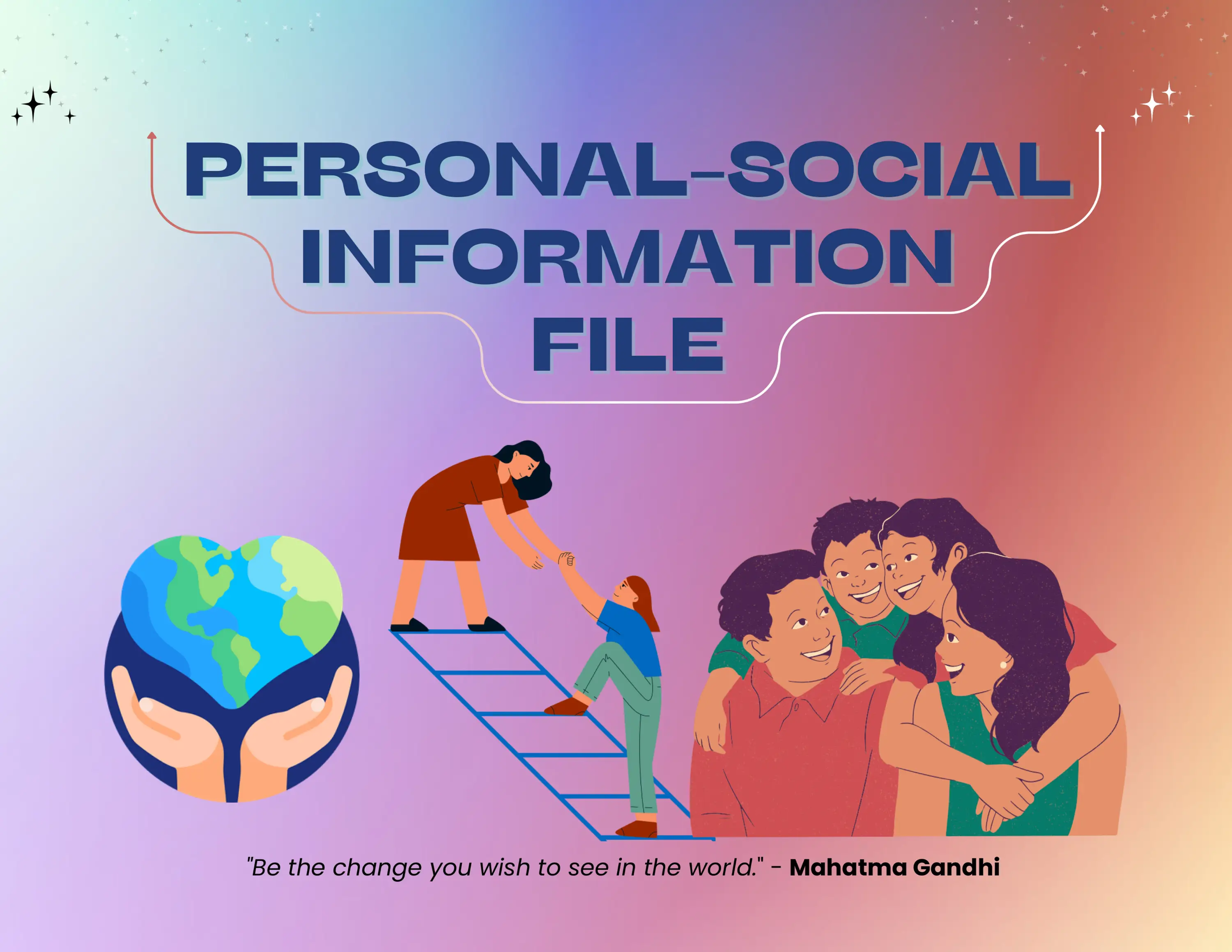
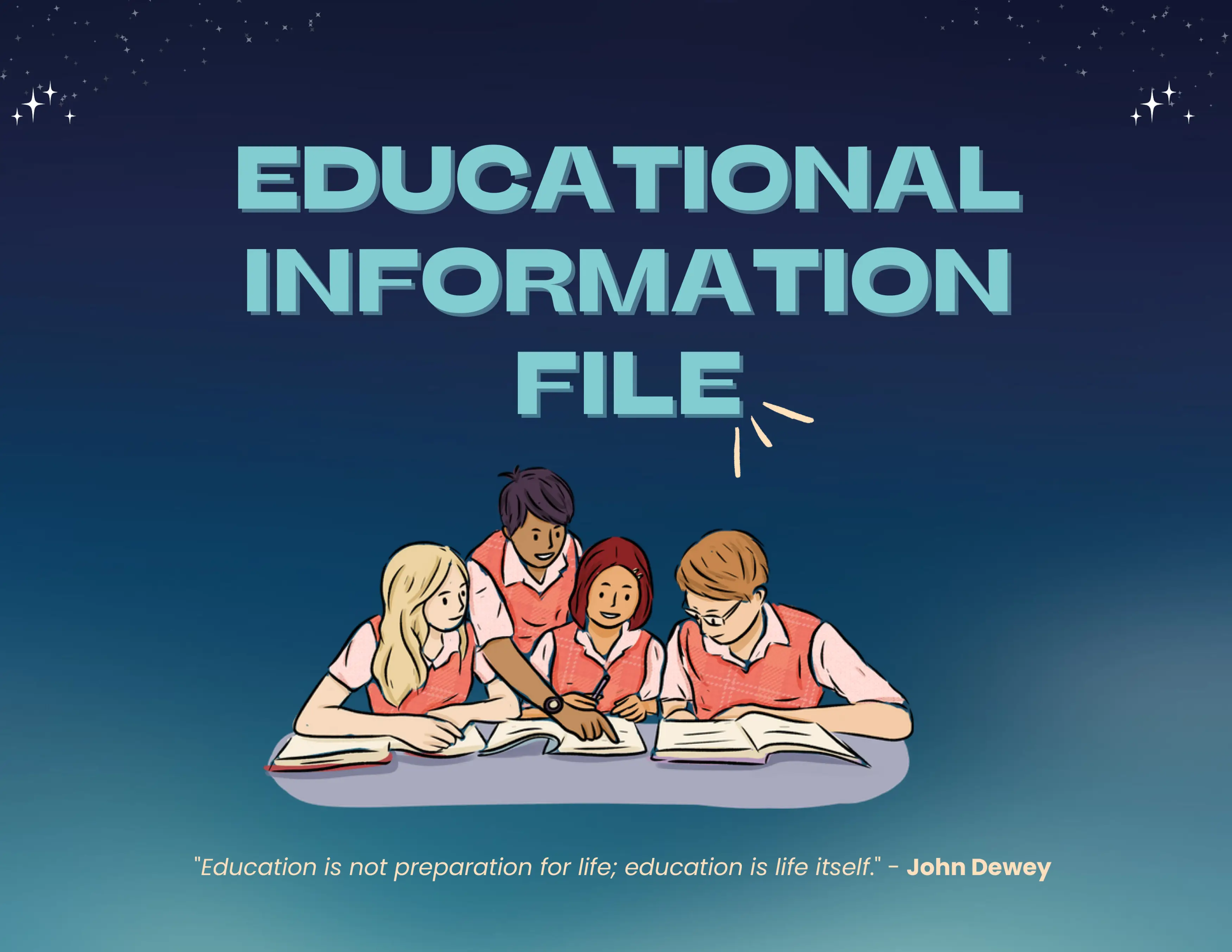
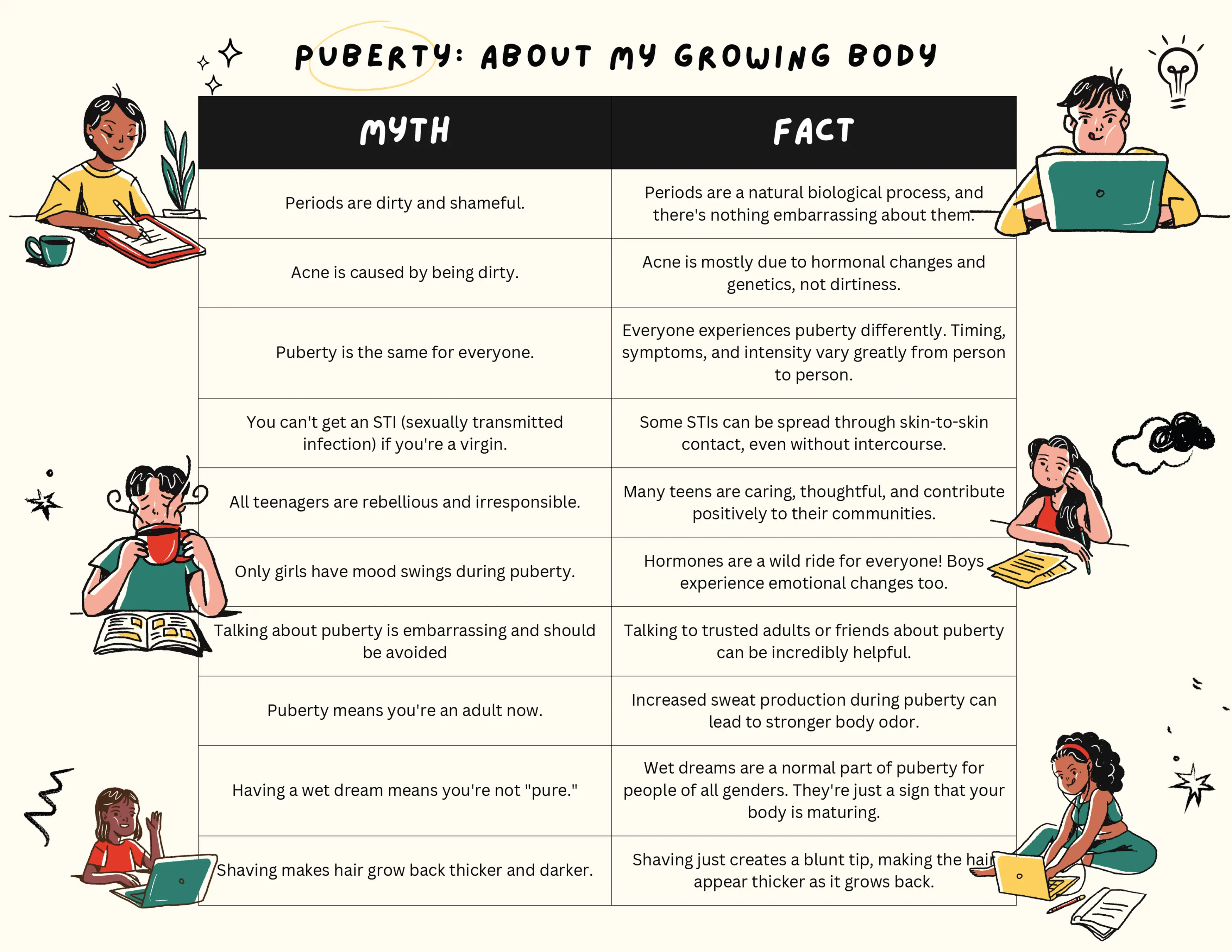
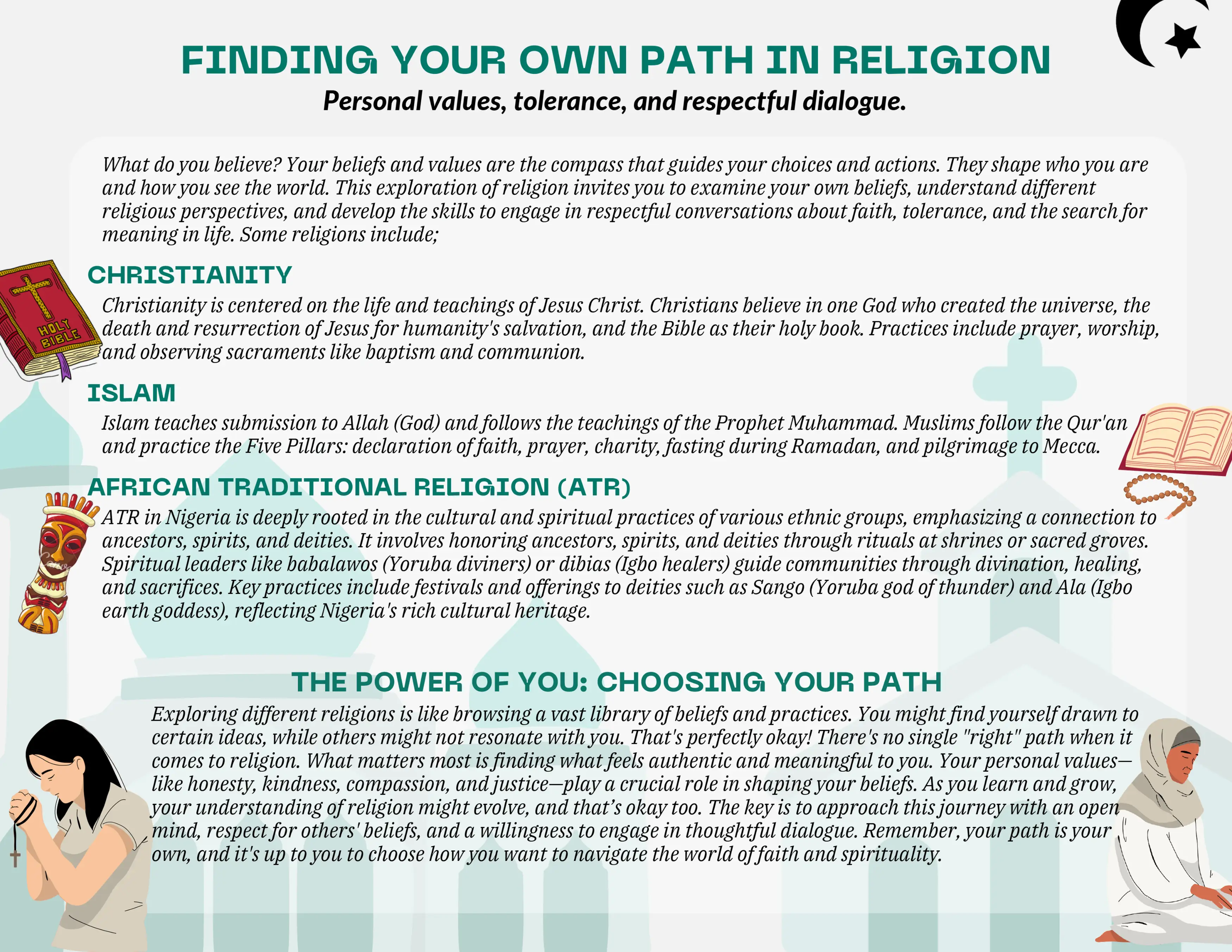
As part of my Guidance and Counseling training, I developed practical materials for secondary school use. This project includes: a Career Album (guiding students through career exploration), Educational, Personal‑Social, and Vocational Information Files (structured handouts for classroom guidance), and student‑facing flyers on building healthy relationships, religious tolerance, and seeking counseling support. Each resource was designed to be clear, immersive, and culturally relevant. The visuals used simple infographics, approachable language, and a calm, trustworthy visual style. The resources were developed for real educational environments where accessibility, engagement, and information clarity were essential. They helped students access guidance information independently and encouraged them to seek help when needed.
Project Overview
This project showcases counseling and guidance resources covering three core areas: career guidance (Career Album), information files (Educational, Personal‑Social, Vocational), and student engagement flyers (healthy relationships, religious tolerance, and counseling awareness). Each piece was designed for secondary school students – visually appealing, easy to read, and grounded in evidence‑based guidance concepts.
The Challenge
Secondary school students in Nigeria rarely encounter guidance materials designed with them in mind. Most existing resources were either text-heavy, overly academic, visually dated, or disconnected from the realities of young Nigerians navigating career uncertainty, peer pressure, identity formation, and emotional wellbeing. The materials had to be print-friendly for school distribution, visually engaging enough for a teenager to pick up voluntarily, and sensitive enough to open rather than close conversations around difficult topics.



Design and Execution – Key Insight
The key insight was that students responded more positively to structured visual communication than dense paragraphs, particularly when discussing emotionally sensitive or personal topics. I broke down complex topics (e.g., career decision‑making, emotional intelligence) into infographics, bullet points, and simple icons. The visual language was intentionally designed to reduce cognitive overload through short text blocks, guided hierarchy, relatable scenarios, and calm spacing to engage students quickly.


The Resource Suite – Three Tools, One System
The full deliverable was a coordinated set of three support resources, each addressing a different dimension of student guidance.
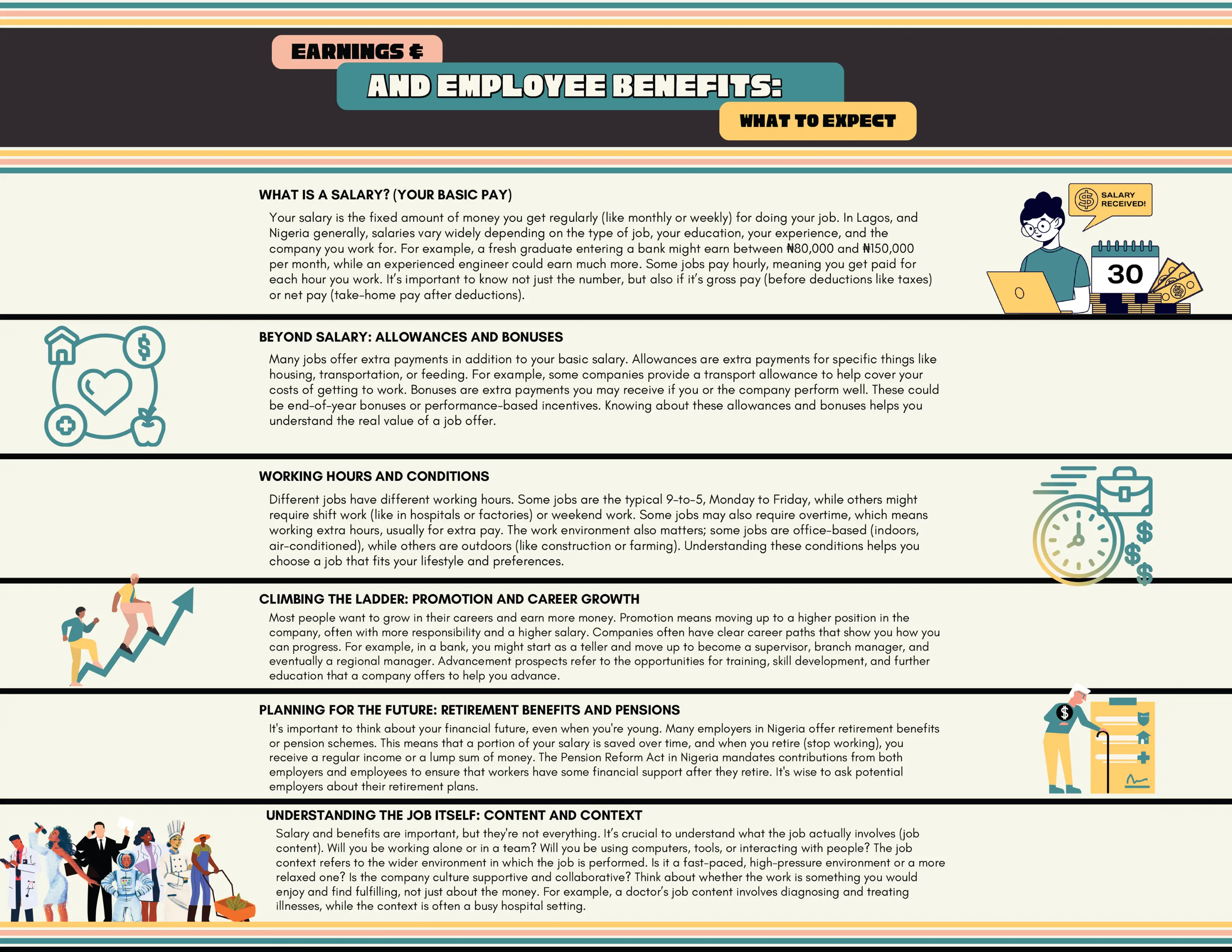
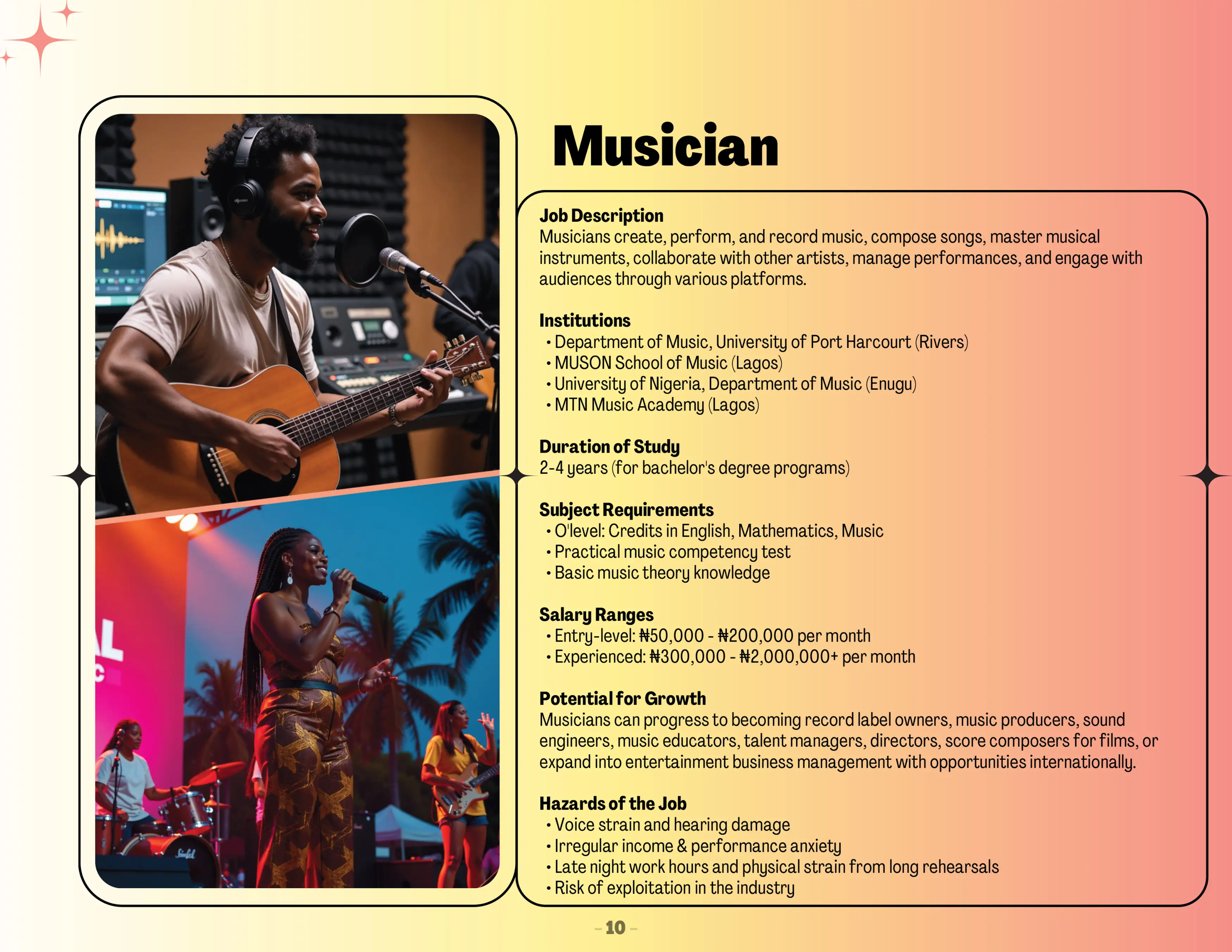
The Career Album is a 15-page exploration guide designed to help secondary school students explore career options through interest-based categories — STEM, arts, business, social sciences — rather than job titles alone. It includes self-assessment prompts, structured career profiles with job descriptions, required subjects and skills, hazards and duration of study. Used during career guidance sessions and made available in the school counseling office.
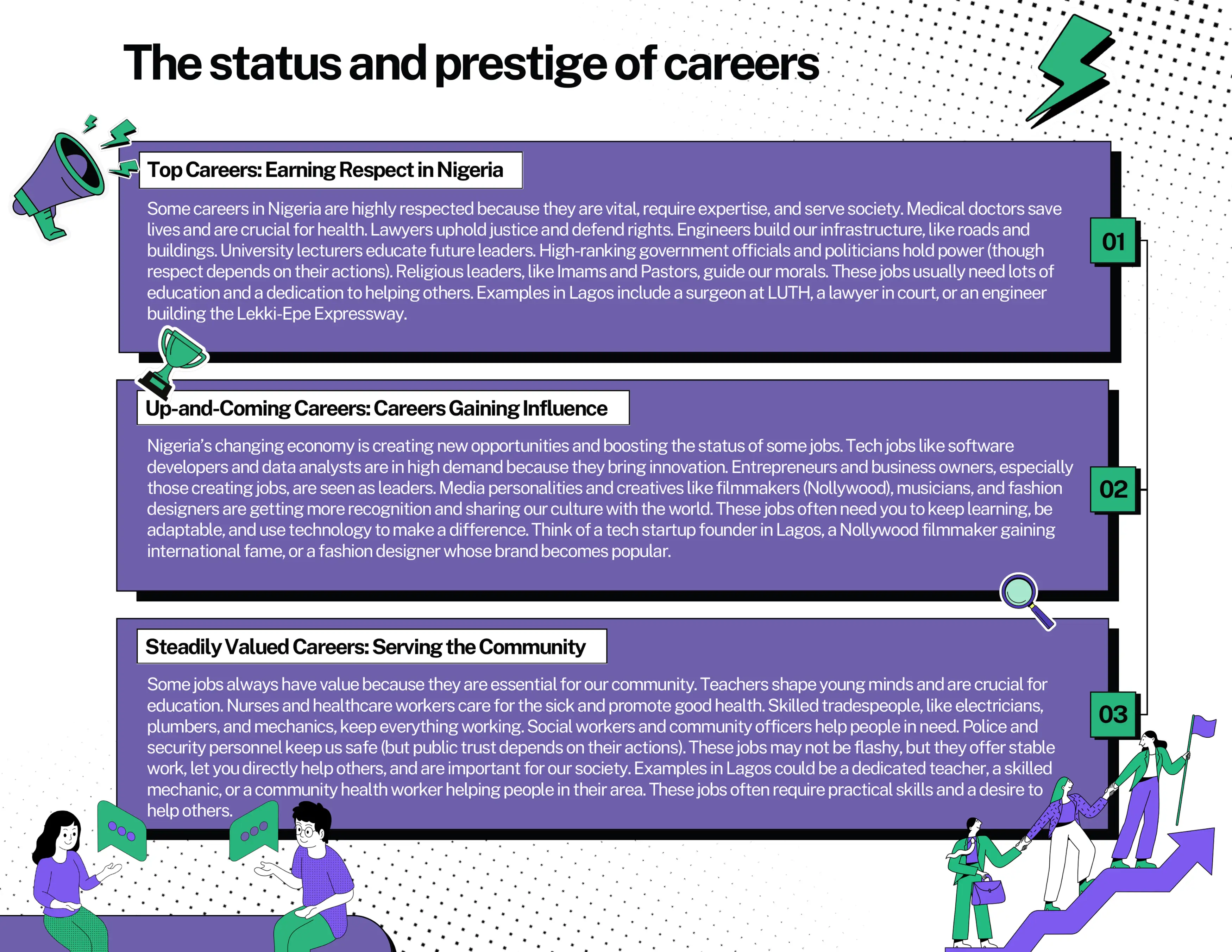
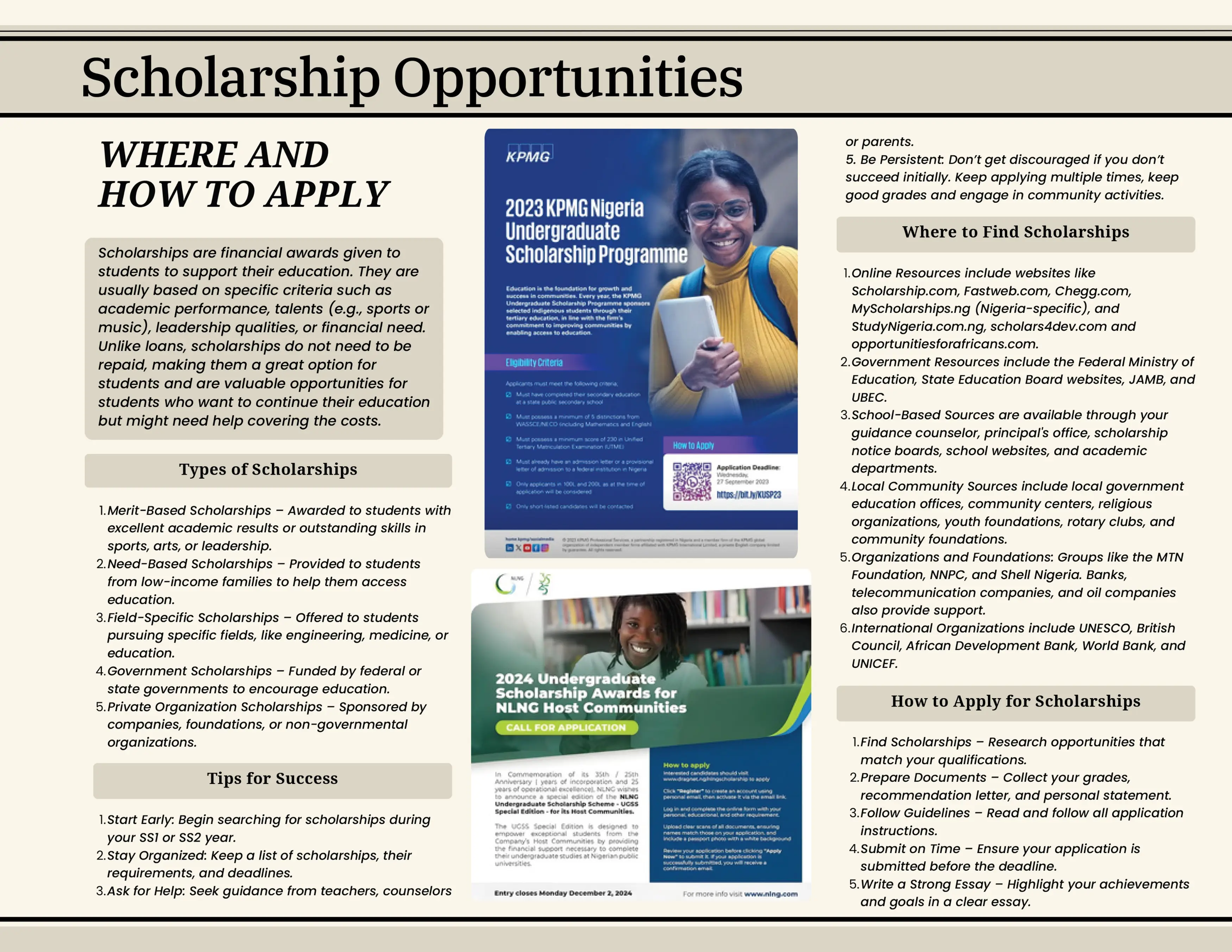
The Information Files — Educational, Personal-Social, and Vocational — are standalone 11-page handouts for classroom use or independent reading. The Educational file covers study skills, time management, school rules and goal-setting. The Personal-Social file addresses self-awareness, emotional regulation, money management, and healthy relationships. The Vocational file introduces formal, informal, and entrepreneurial job paths alongside Nigerian market context. Each file uses icons, checklists, and short paragraphs — structured for print distribution without requiring a counselor present.
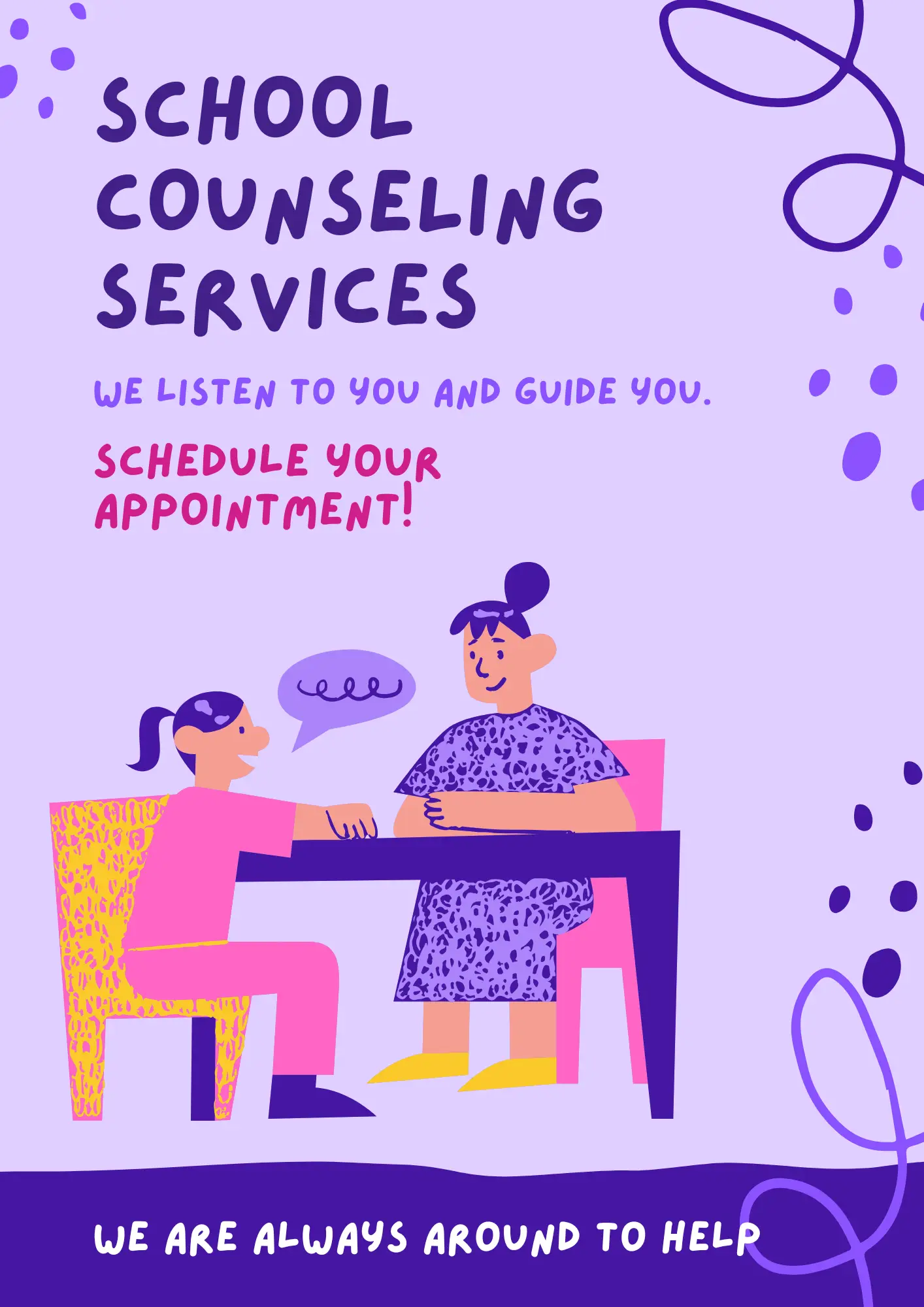
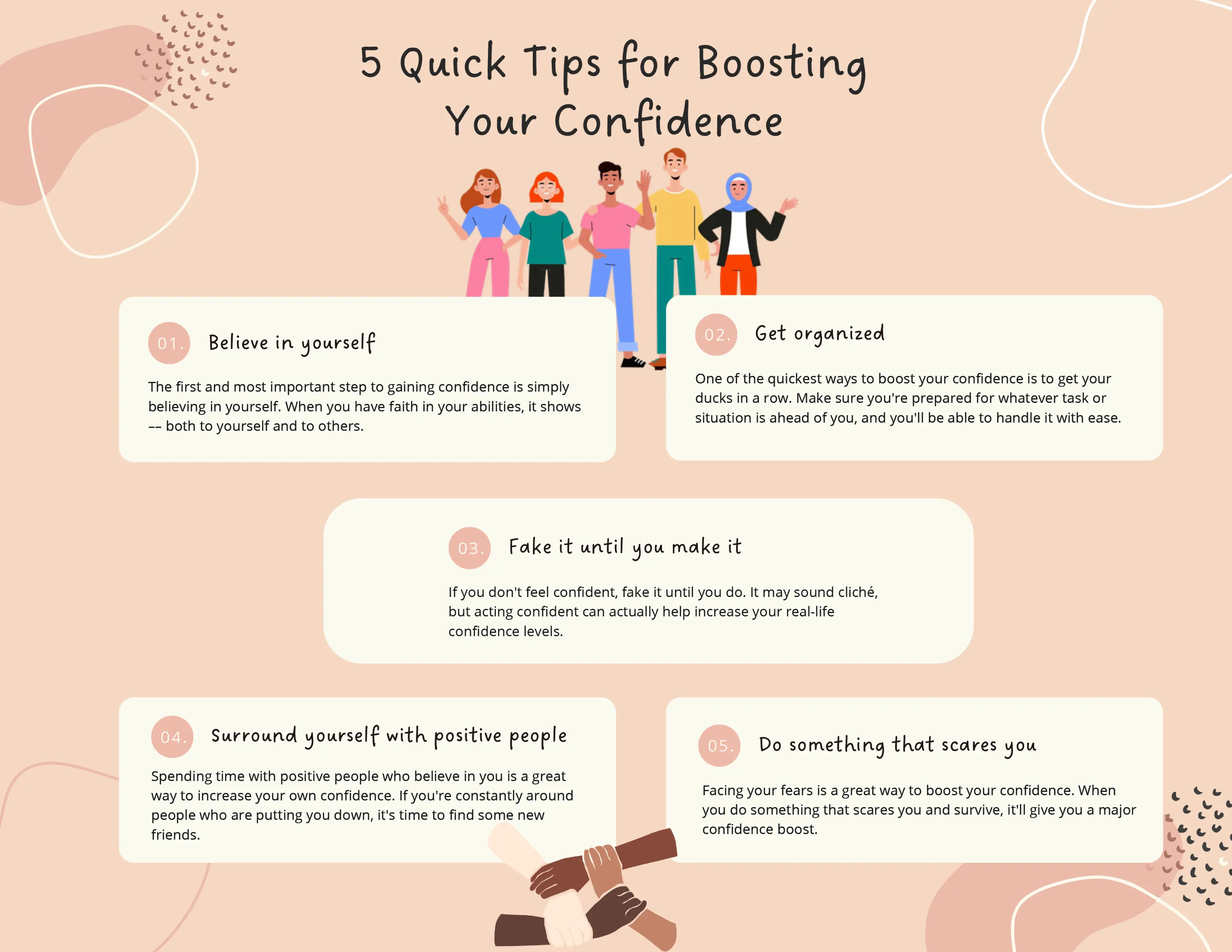
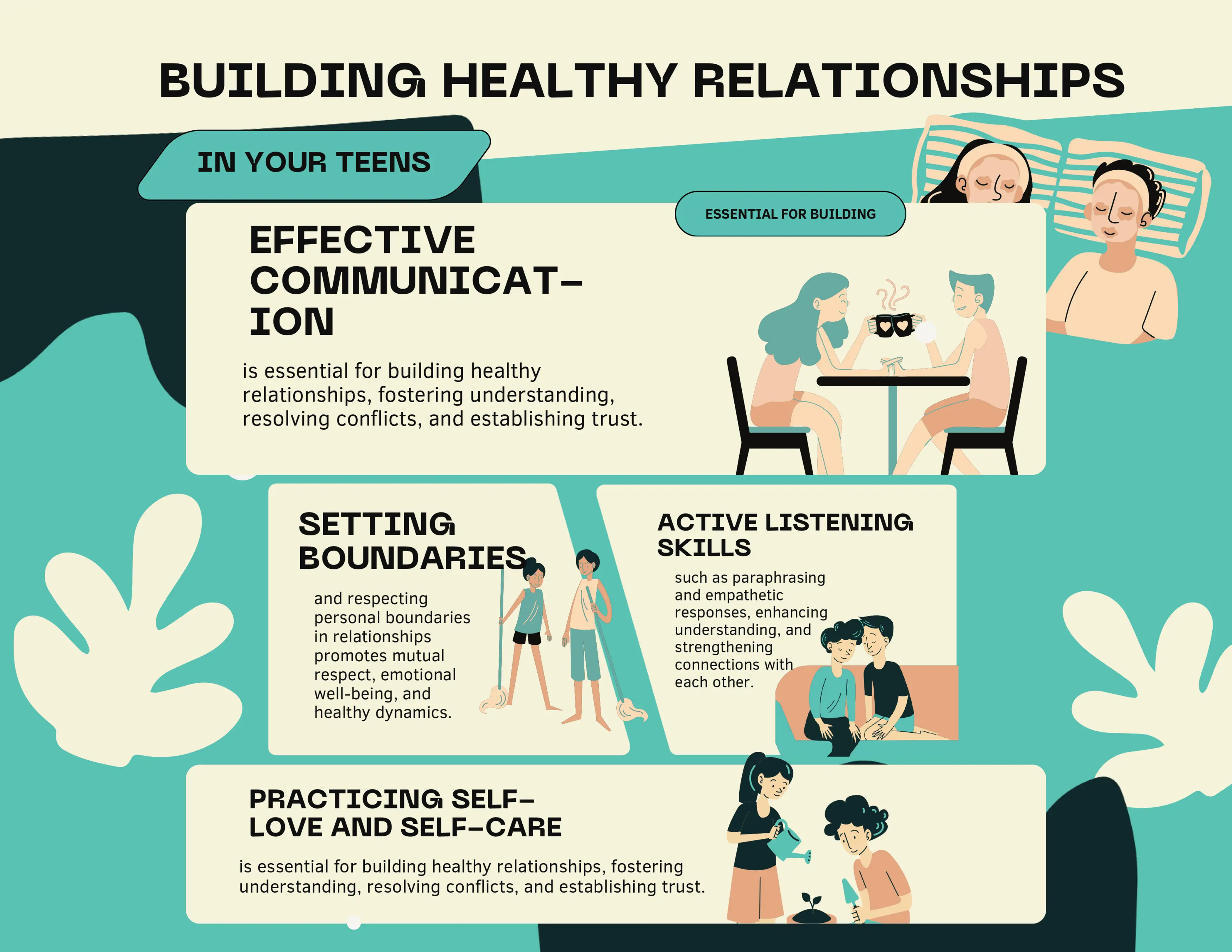
The student flyers and banners were designed for notice boards and school assembly distribution. Three flyers: "Building Healthy Relationships in Your Teens" (communication, boundaries, active listening, self-love), "Respect, Identity & Personal Values" (personal values, tolerance, respectful dialogue), and "Talk to a Counselor" (where to find help, what to expect, confidentiality). The goal was to normalize early help-seeking focused on preventative support rather than crisis response — before students reach emotional burnout or withdrawal.

Outcome
These materials were successfully used and students responded positively to the visual format – they were more willing to pick up a flyer or flip through the career album than read a plain text handout. Teachers and supervising counselors appreciated the ready‑to‑use resources, which saved them preparation time. The materials encouraged healthy classroom discussions around mentioned topics and the counseling advocacy flyer led to a noticeable increase in students voluntarily visiting the counselor's office (anecdotal feedback from the school counselor). This project is the clearest example of what happens when counseling training and communication design operate from the same brief. The materials were designed not just to inform, but to reduce resistance, build emotional safety, and make support feel more approachable before intervention becomes urgent.